Welcome to the ultimate hub for abdominal and navel health. While the umbilicus might just seem like a simple scar left over from birth, it is actually a complex micro-environment that can host a variety of dermatological, structural, and infectious conditions. Whether you are dealing with a sudden sharp pain, a strange odor, unexpected discharge, or simply want to optimize your daily hygiene routine, we have compiled every clinical resource you need right here on HealthZeen. This comprehensive directory covers the anatomical foundations, common complaints, and safe, evidence-based treatments for every navel-related concern, helping you pinpoint exactly what is happening and how to fix it.
1. Why Does My Belly Button Have Crust?
A crusty navel is often a sign of dried serous fluid, dead skin cells, or an underlying infection. This section helps identify the type of crust (such as amber, yellow, or black) to determine the clinical cause and necessary treatment. Read the full diagnostic guide on
Why Does My Belly Button Have Crust?.
2. What is a Herniated Belly Button?
An umbilical hernia occurs when internal abdominal tissue pushes through a weakened spot in the abdominal wall. This guide explains the physical mechanics behind the visible bulge and outlines the differences between reducible, incarcerated, and strangulated hernias. Learn more about
What is a Herniated Belly Button?.
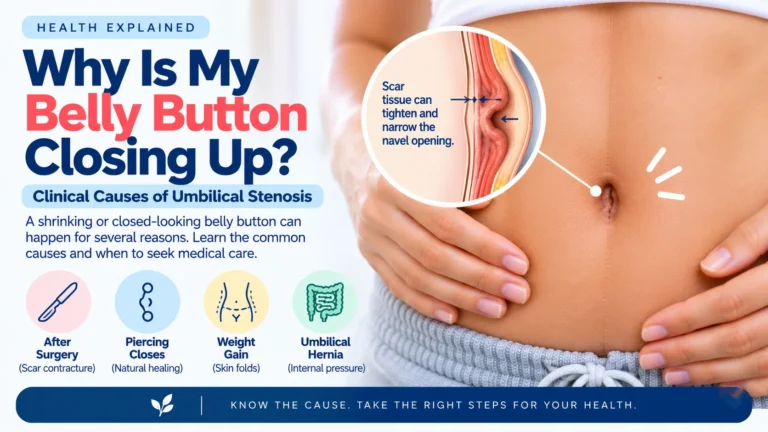
3. Why Is My Belly Button Closing Up?
Umbilical stenosis can cause the navel to shrink or appear closed due to factors like post-surgical scar contracture or weight gain. This section explores why these anatomical changes happen and when they require medical evaluation. Discover the clinical causes of
Why Is My Belly Button Closing Up?.
4. How to Clean a Smelly Belly Button
Foul odors are usually the result of trapped dead skin, sweat, and bacterial buildup in the naval cavity. Following a targeted clinical odor neutralization protocol safely breaks down debris without damaging the delicate skin barrier. Follow the step-by-step instructions on
How to Clean a Smelly Belly Button.
5. Why Does My Belly Button Burn?
A burning sensation can stem from surface-level friction, allergic contact dermatitis, or localized nerve irritation. This section details how to identify the specific trigger and offers practical steps for rapid relief. Understand the clinical causes of
Why Does My Belly Button Burn?.
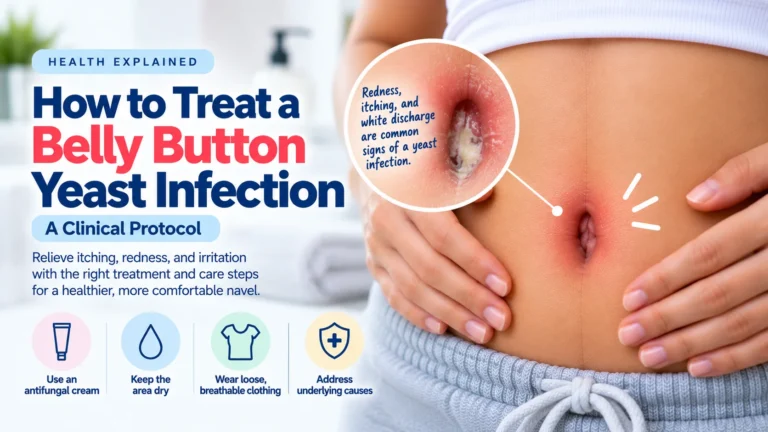
6. How to Treat a Belly Button Yeast Infection
Fungal overgrowth thrives in dark, moist environments, causing severe itching, redness, and white discharge. This clinical protocol outlines how to effectively use antifungal treatments while keeping the area perfectly dry. Learn exactly
How to Treat a Belly Button Yeast Infection.
7. Why Is There Pus in My Belly Button?
The presence of purulent exudate (pus) is a definitive biological marker of a bacterial infection like omphalitis. This section explains the mechanism of pus formation and highlights the critical warning signs that require immediate antibiotics. Read about the biology of
Why Is There Pus in My Belly Button?.
8. Why Is There Liquid in My Belly Button?
Navel discharge can range from harmless clear serous fluid to thick, foul-smelling drainage indicating cysts or infections. This fluid diagnostic guide helps categorize the liquid by color and consistency to pinpoint the exact medical cause. Explore the complete guide on
Why Is There Liquid in My Belly Button?.
9. How to Clean an Infected Belly Button
Cleaning infected skin requires a sterile, mechanical protocol to prevent worsening the condition or spreading bacteria. This guide covers the safe use of sterile saline and outlines which harsh chemicals must be strictly avoided. Follow the clinical mechanical protocol on
How to Clean an Infected Belly Button.
10. Why Does Below My Belly Button Hurt?
Pain located in the hypogastric region below the navel often points to lower digestive, urinary, or reproductive tract issues. This section breaks down the clinical causes of lower abdominal discomfort and when to seek urgent care. Understand the causes of
Why Does Below My Belly Button Hurt?.
11. Does Your Belly Button Go Back to Normal After Pregnancy?
The extreme abdominal expansion during pregnancy heavily stretches the umbilical ring and surrounding tissues. This breakdown explains the physiological recovery process postpartum and sets realistic expectations for navel restoration. Read the clinical breakdown on
Does Your Belly Button Go Back to Normal After Pregnancy?.
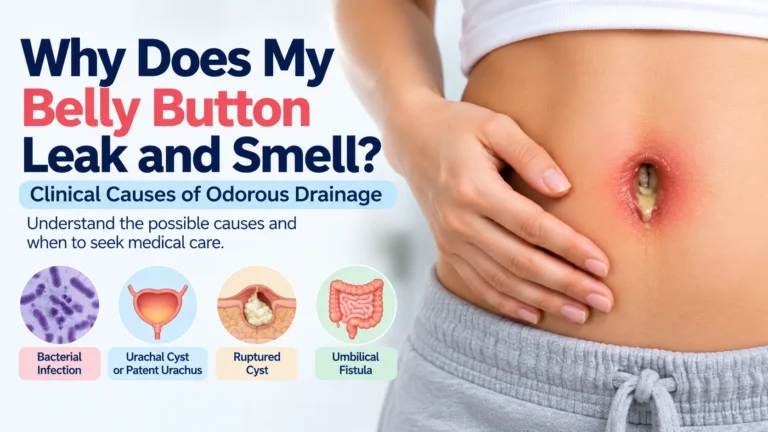
12. Why Does My Belly Button Leak and Smell?
When structural cysts or deep bacterial infections rupture, they produce continuous, odorous drainage. This section explores the underlying clinical causes of leaking navels and the necessary medical interventions to stop the discharge. Discover the causes of
Why Does My Belly Button Leak and Smell?.
13. Why Is My Belly Button Itchy and Smelly?
The combination of pruritus (itching) and a bad odor is a classic presentation of a mixed fungal or bacterial skin infection. This guide covers how trapped debris exacerbates these symptoms and the best clinical treatments for relief. Learn more about
Why Is My Belly Button Itchy and Smelly?.
14. What Does It Mean When Your Belly Button Is Red?
Erythema (redness) is the skin’s primary inflammatory response to friction, allergens, or invasive pathogens. This section helps differentiate between a mild rash and a severe, spreading infection that requires medical attention. Understand the clinical causes of
What Does It Mean When Your Belly Button Is Red?.
15. Why Is There Stuff in My Belly Button?
Navel debris is a natural biological accumulation of keratinized dead skin, sebum, dust, and clothing fibers. This guide explains how these components combine to form lint or even hardened umbilical stones if left unchecked. Explore the biological makeup of navel debris in
Why Is There Stuff in My Belly Button?.
16. What Does It Mean If My Belly Button Hurts?
Belly button pain is a broad symptom that can originate from the skin surface or radiate from deep internal organs. This diagnostic overview categorizes the pain by type—sharp, dull, or throbbing—to help identify the root cause. Read the clinical diagnostic guide on
What Does It Mean If My Belly Button Hurts?.
17. What Causes a Belly Button Hernia?
Excessive intra-abdominal pressure from heavy lifting, chronic coughing, or obesity can force tissue through the umbilical ring. This section details the clinical anatomy and primary risk factors that lead to hernia development. Learn
What Causes a Belly Button Hernia?.
18. Why Does My Stomach Hurt Around My Belly Button?
Periumbilical pain centered around the navel is a classic early warning sign of gastrointestinal distress, including appendicitis or stomach ulcers. This guide maps the underlying anatomy to explain why central stomach pain occurs. Understand the clinical causes in
Why Does My Stomach Hurt Around My Belly Button?.
19. What Does an Infected Belly Button Look Like?
Visual identification is key to determining whether an inflamed navel is suffering from a yeast infection, bacterial omphalitis, or an infected cyst. This section provides a clear diagnostic framework based on visual cues like redness, swelling, and discharge color. See the visual diagnostic guide on
What Does an Infected Belly Button Look Like?.
20. Pain in Belly Button When Peeing
The navel is anatomically connected to the bladder via the median umbilical ligament, which can cause referred pain during urination. This section explains the clinical causes behind this specific discomfort, including urinary tract infections and urachal abnormalities. Read about the clinical causes of
Pain in Belly Button When Peeing.
21. Why Does My Belly Button Keep Getting Infected?
Recurrent omphalitis is often driven by deep skin folds, trapped moisture, chronic biofilm buildup, or underlying health conditions like diabetes. This guide focuses on breaking the cycle of reinfection through advanced prevention strategies. Learn
Why Does My Belly Button Keep Getting Infected?.
22. How to Treat an Infected Belly Button
Once an infection is established, proper clinical protocols involving targeted antimicrobial or antifungal treatments are required. This section breaks down the medical steps necessary to resolve the infection and promote healthy tissue regeneration. Follow the clinical protocols on
How to Treat an Infected Belly Button.
23. Can Your Belly Button Open?
A common medical myth suggests the navel can spontaneously “untie” or open up in adulthood. This section separates clinical facts from fiction, explaining how the umbilical scar is permanently sealed, though hernias can create the illusion of an opening. Discover the truth behind
Can Your Belly Button Open?.
24. What Causes Belly Button Infection?
Understanding the precise pathogens and environmental conditions that trigger navel infections is the first step in effective treatment. This guide details how moisture, poor hygiene, and microscopic skin tears invite bacterial invasion. Learn about the causes and relief in
What Causes Belly Button Infection?.
25. Where Is the Uterus in Relation to the Belly Button?
During pregnancy, tracking the top of the uterus (fundal height) in relation to the navel is a key metric for measuring fetal growth. This anatomical breakdown explains how the uterus shifts and expands upward as gestation progresses. Read the anatomy facts on
Where Is the Uterus in Relation to the Belly Button?.
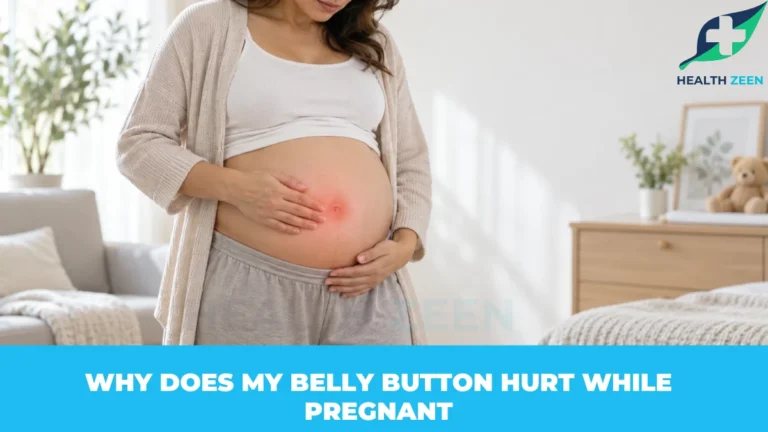
26. Why Does My Belly Button Hurt While Pregnant?
As the abdomen stretches to accommodate a growing baby, the skin and muscles around the navel endure significant physical strain. This section covers common causes of pregnancy-related umbilical pain and offers safe methods for relief. Find out
Why Does My Belly Button Hurt While Pregnant?.
27. Why Is My Belly Button Red and Smelly?
A navel that is simultaneously red and foul-smelling almost always indicates an active microbial infection trapped within the skin folds. This guide outlines the immediate diagnostic steps and relief methods to neutralize the bacteria and soothe inflammation. Explore the diagnosis and relief for
Why Is My Belly Button Red and Smelly?.
28. How to Treat a Belly Button Infection
Comprehensive treatment for omphalitis goes beyond basic cleaning; it requires a structured approach to eradicating the specific pathogen. This section provides detailed clinical protocols for managing mild to moderate infections safely at home. Learn the clinical protocols for
How to Treat a Belly Button Infection.
29. Is the Umbilical Cord Attached to Your Belly Button?
Many adults wonder if internal remnants of their umbilical cord still exist behind their navel. This anatomical overview explains what happens to these structures after birth and how they transform into internal ligaments. Uncover the anatomy facts in
Is the Umbilical Cord Attached to Your Belly Button?.
30. Pain Below Belly Button When Pressed
Tactile tenderness located just below the navel can indicate localized inflammation, muscular strain, or deeper gastrointestinal issues. This section helps patients identify the clinical causes of pressure-sensitive pain in the lower abdomen. Understand the clinical causes of
Pain Below Belly Button When Pressed.
31. Will a Belly Button Infection Go Away on Its Own?
While minor skin irritations may resolve naturally, established bacterial or fungal navel infections rarely disappear without active treatment. This guide explains the healing timeline and the risks of leaving an infection unchecked. Read the healing facts on
Will a Belly Button Infection Go Away on Its Own?.
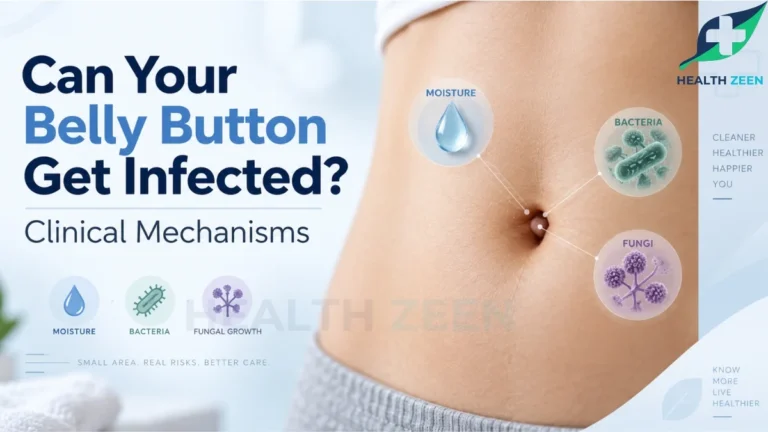
32. Can Your Belly Button Get Infected?
Due to its indented structure, the navel is highly susceptible to becoming a breeding ground for opportunistic pathogens. This section outlines the clinical mechanisms that allow infections to take hold in this specific area of the body. Learn more about the clinical mechanisms in
Can Your Belly Button Get Infected?.
33. Why Do We Have a Belly Button?
The navel is a universal human scar, serving as a permanent reminder of our time in the womb. This post explores the biological and evolutionary facts detailing its original purpose as the primary nutrient pathway before birth. Discover the biological facts in
Why Do We Have a Belly Button?.
34. Why Does My Belly Button Hurt When I Pee?
Experiencing pain in the umbilicus during urination is a specific symptom tied to the internal ligaments connecting the bladder to the abdominal wall. This guide explains the urological causes and facts behind this highly localized discomfort. Find out
Why Does My Belly Button Hurt When I Pee?.
35. What Causes an Outie Belly Button in Adults?
While most people have “innies,” a sudden shift to an “outie” in adulthood is usually a structural warning sign rather than a harmless change. This section details how umbilical hernias, pregnancy, or fluid retention cause the navel to protrude. Learn
What Causes an Outie Belly Button in Adults?.
36. Why Is My Belly Button Crusty?
Hardened crust in the navel can range from harmless dried soap to severe eczema or post-surgical scabbing. This guide provides actionable advice on determining the root cause and safely removing the crust without damaging the skin. Explore the causes and safe removal in
Why Is My Belly Button Crusty?.
37. What Is a Belly Button?
Beyond being a simple scar, the umbilicus has specific anatomical classifications and morphological variations. This foundational guide explains the medical definition of the navel and why it looks different on everyone. Read about the anatomy and morphology in
What Is a Belly Button?.
38. Why Does My Belly Button Hurt When Pressed?
Pain triggered specifically by touch or applied pressure often points to localized superficial infections, cysts, or underlying hernias. This section highlights the clinical warnings associated with pressure-sensitive umbilical pain and when a doctor should intervene. Learn the causes and warnings of
Why Does My Belly Button Hurt When Pressed?.
39. Is Belly Button Pain a Sign of Miscarriage?
During pregnancy, abdominal pain naturally causes severe anxiety regarding fetal health. This critical guide distinguishes normal stretching pains from the severe, cramping symptoms that serve as medical warnings for a miscarriage. Understand the causes and warnings in
Is Belly Button Pain a Sign of Miscarriage?.
40. What Is Your Belly Button Connected To?
The navel is not just a surface scar; it remains tethered to the liver and bladder via internal fibrous cords. This internal anatomy breakdown explains how these vestigial structures function within the adult body. Learn
What Is Your Belly Button Connected To?.
41. Is It Bad to Pick Stuff Out of Your Belly Button?
Aggressively digging into the navel to remove lint or debris can cause microscopic dermal abrasions that invite severe infections. This post details the medical risks of picking at the umbilicus and offers safer hygiene alternatives. Read about the risks and facts in
Is It Bad to Pick Stuff Out of Your Belly Button?.
42. Why Is My Belly Button Wet?
A damp navel without any foul odor is often the result of trapped sweat or residual water from bathing. This section explains the causes of clear fluid moisture and how to keep the area dry to prevent maceration. Discover the causes of
Why Is My Belly Button Wet?.
43. Why Is My Belly Button Itchy?
Persistent itching is a primary symptom of contact dermatitis, allergic reactions to clothing or metals, and early-stage yeast infections. This guide outlines the treatments needed to soothe the rash and stop the cycle of scratching. Learn the causes and treatments for
Why Is My Belly Button Itchy?.
44. Why Does My Belly Button Hurt?
A comprehensive overview of umbilical pain covering everything from minor skin abrasions to severe gastrointestinal emergencies. This section serves as a broad diagnostic starting point to evaluate symptoms and find the correct treatment path. Explore the causes, symptoms, and treatments in
Why Does My Belly Button Hurt?.
45. Why Is My Belly Button Wet and Smelly?
Moisture combined with a foul odor creates the perfect storm for bacterial and fungal proliferation deep within the navel. This guide explains how to break down the biofilm, neutralize the smell, and effectively dry the cavity. Read about the causes and treatments for
Why Is My Belly Button Wet and Smelly?.
46. Why Is My Belly Button Red?
Localized redness without other severe symptoms often points to simple friction from tight clothing or mild allergic reactions. This section provides a straightforward look at the causes of navel erythema and how to resolve it quickly. Learn
Why Is My Belly Button Red?.
47. How to Clean Your Belly Button
Establishing a consistent, safe hygiene routine prevents the vast majority of navel-related odors and infections. This medical guide outlines the best daily practices for keeping the umbilicus clean, dry, and healthy. Follow the step-by-step medical guide on
How to Clean Your Belly Button.
48. Can a Belly Button Infection Kill You?
While most navel infections are mild, untreated omphalitis can theoretically spread to the bloodstream, leading to life-threatening sepsis. This critical section outlines the severe symptoms that escalate an infection into a medical emergency. Understand the risks and symptoms of sepsis in
Can a Belly Button Infection Kill You?.
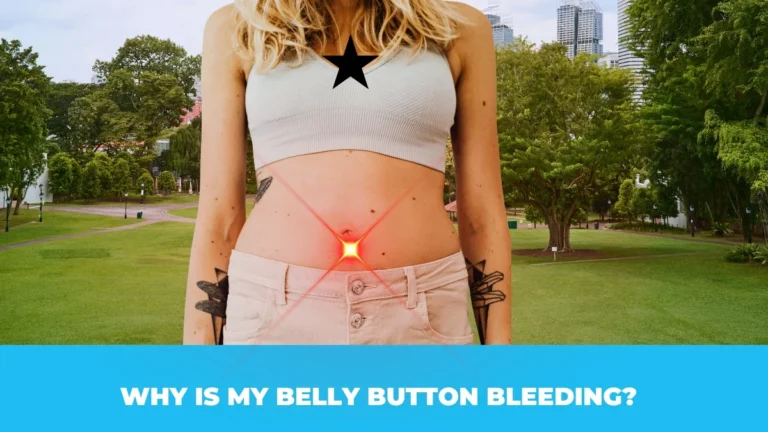
49. Why Is My Belly Button Bleeding?
Active bleeding from the navel is a severe symptom usually caused by aggressive scratching, ruptured cysts, or severe granulomas. This guide details when to apply pressure, how to evaluate the wound, and when emergency treatment is required. Discover the causes and treatments for
Why Is My Belly Button Bleeding?.
50. What Does Castor Oil in the Belly Button Do?
Holistic practices often claim that applying castor oil to the navel provides systemic health benefits and improves digestion. This section separates scientifically backed dermatological benefits from pervasive wellness myths. Read about the benefits and myths of
What Does Castor Oil in the Belly Button Do?.
51. Why Does My Belly Button Smell?
An overarching look at the primary reasons behind a foul-smelling navel, focusing on the biological breakdown of sweat, dead skin, and bacteria. This section provides rapid symptom evaluation and direct links to effective odor-neutralization treatments. Explore the comprehensive causes and treatments in
Why Does My Belly Button Smell?.
Maintaining a healthy belly button goes far beyond basic showering. As this extensive directory demonstrates, paying attention to minor changes—like a new odor, a subtle shift in color, or a slight twinge of pain—can prevent mild irritations from escalating into severe infections or structural emergencies. By utilizing these specific diagnostic guides and clinical protocols, you can confidently address everyday hygiene and recognize the critical warning signs that require professional medical intervention. Keep this hub bookmarked as your go-to resource for navel care, and always remember to consult a healthcare provider for any persistent, painful, or severe symptoms to ensure your long-term health and safety.