How to Clean a Smelly Belly Button: A Clinical Odor Neutralization Protocol
Attempting to clean a deeply foul-smelling belly button with standard shower gel often results in immense frustration. Many individuals aggressively scrub their navel every single day, only to find that the distinctly putrid, sour, or cheese-like malodor returns within hours. If you are struggling with a chronically smelly belly button that lacks the severe pain or thick yellow pus of an active infection, you are not dealing with a simple hygiene issue; you are battling a highly concentrated biological buildup of putrefying organic matter.
The human umbilicus is a highly recessed anatomical fold that naturally acts as a funnel for the massive volume of microscopic dead keratin skin cells your body sheds daily. When millions of these dead cells mix with your natural waxy body oils, known as sebum, and trapped sweat, they form a dense biological paste. Standard water and body wash simply slide right over this waxy, water-resistant buildup. To successfully clean a smelly belly button and permanently eradicate the odor, you must transition from casual scrubbing to a targeted clinical protocol. By utilizing lipid solvents to safely dissolve the trapped oils, implementing gentle mechanical swabbing, and practicing absolute moisture desiccation, you can neutralize the anaerobic bacteria responsible for the foul smell.
Before you begin the cleaning protocol, it is essential to understand exactly what is producing the bad smell. The odor is not coming directly from your sweat or your skin. It is the direct result of biological putrefaction.
Inside the dark, oxygen-deprived depths of your navel, naturally occurring anaerobic bacteria and microscopic fungal yeast begin to consume the thick paste of dead skin cells and trapped sebum. As these microorganisms digest the biological waste, they release metabolic byproducts, specifically sulfur-containing gases. These trapped sulfur gases are precisely what create the overwhelming, rotten, or dirty sock odor emitting from your stomach. Therefore, eradicating the smell requires physically removing the bacterial food source.
Step 1: Lipid Solvent Therapy
Because the smelly buildup inside your belly button is primarily composed of waxy sebum and oxidized lipids, standard shower water will naturally repel off its surface. You must first break down this hardened, oily barrier using a lipid solvent.
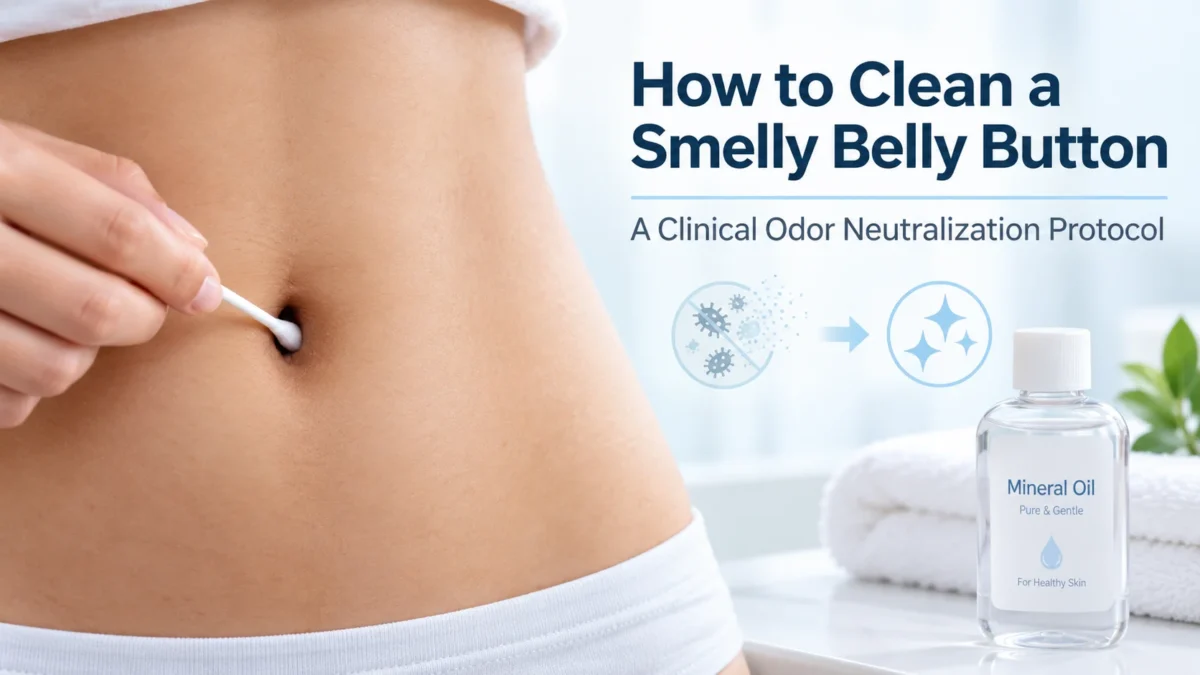
The safest and most effective clinical lipid solvent for delicate umbilical tissue is plain mineral oil or standard baby oil. Lie completely flat on your back and place three to four drops of warm mineral oil directly into the cavity of your belly button. Allow the oil to soak into the skin for a full ten to fifteen minutes. The mineral oil works by safely binding to the trapped sebum, slowly dissolving the hardened, waxy bonds holding the putrefying dead skin cells together. If you suspect you have a solid, blackened belly button stone, known as an omphalith, this prolonged oil soak is absolutely critical to soften the mass before attempting removal.
Step 2: Gentle Mechanical Swabbing
Once the hardened sebaceous buildup has been thoroughly softened by the mineral oil soak, you must gently lift the decaying organic matter out of the navel cavity.
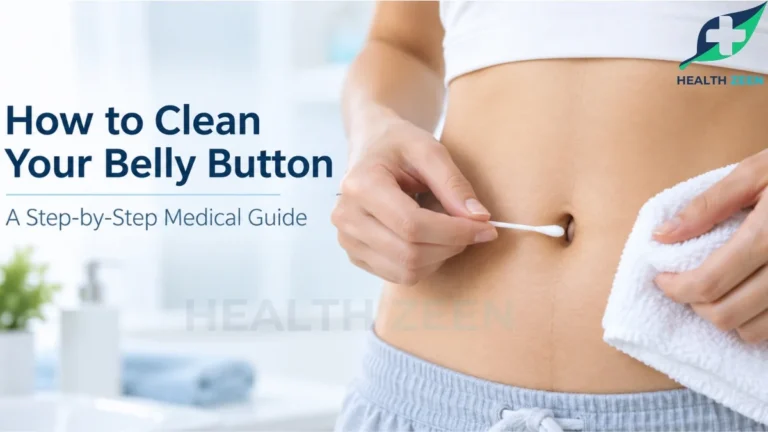
Take a fresh cotton swab and dip it in warm water so the cotton is slightly damp, preventing the dry fibers from irritating the skin. Very gently swab the interior walls and deep crevices of the belly button. You will likely see a soft, pale, or slightly yellowish paste adhere to the cotton swab. This is the putrefying keratin and sebum. Continue using fresh, damp cotton swabs until they come out completely clean. You must never use your fingernails or metal tweezers to scrape the skin, as the umbilical tissue is incredibly fragile. Scratching the skin will instantly invite aggressive bacteria into the raw tissue, transforming a simple odor issue into a severe, painful infection.
Step 3: Antimicrobial Cleansing
After the physical mass of dead skin and oil has been removed, you must wash away the residual mineral oil and the remaining anaerobic bacteria responsible for the sulfur odor.
Step into the shower and apply a small amount of mild, unscented antibacterial soap to a soft washcloth. Gently wash the surface opening and the shallow interior of the belly button to lift away the remaining microscopic debris. You must strictly avoid highly fragranced shower gels, perfumed lotions, or harsh chemical exfoliants. The synthetic fragrances in standard body washes frequently cause severe allergic contact dermatitis when trapped inside the delicate navel folds, which will trigger intense itching and weeping skin.
Step 4: Absolute Moisture Desiccation
The final, and arguably most important, step in maintaining an odor-free belly button is absolute moisture desiccation. Anaerobic bacteria and fungal yeast absolutely require a highly humid, wet environment to survive, multiply, and produce foul-smelling gases.
If you step out of the shower and simply pat your stomach with a towel, microscopic drops of tap water will remain trapped in the deep folds of your navel, allowing the odor-causing bacteria to immediately rebound. To ensure the cavity is bone dry, gently press a clean, dry cotton swab into the navel to absorb any standing water. For a truly clinical-grade finish, use a hairdryer set to the lowest, coolest setting. Hold the device a few inches away from your abdomen and direct the cool air into the belly button for sixty seconds. This entirely evaporates all trace moisture, leaving the cavity biologically inhospitable to odor-producing pathogens.
Frequently Asked Questions
Standard shower water and body wash cannot penetrate or dissolve the highly water-resistant, waxy sebum that traps dead skin cells inside your navel. The anaerobic bacteria living deep inside this waterproof biological paste continue to release foul-smelling sulfur gases even after a hot shower.
To get rid of the smelly white paste, which is a mixture of dead keratin cells and sebum, you must soften it first. Soak the navel with a few drops of mineral oil for fifteen minutes to dissolve the waxy bonds, then gently lift the soft paste away with a damp cotton swab.
No, you should never pour rubbing alcohol into your belly button to stop an odor. Alcohol is highly cytotoxic, meaning it chemically burns and destroys the delicate skin cells of your navel. This severe irritation causes the tissue to weep fluid, which paradoxically feeds more bacteria and worsens the smell.
A hard, black, foul-smelling mass stuck in your navel is an omphalith, or an umbilical stone. This forms when trapped dead skin and sebum are left uncleaned for years. The material compacts into a dense stone and oxidizes, turning black. You must soften it with mineral oil before gently removing it.
Yes, a cotton swab is the safest tool for cleaning the deep crevices of an innie belly button. However, you must always ensure the cotton is slightly damp with oil, saline, or warm water before swabbing, as dry cotton fibers can easily snag on delicate tissue and cause microscopic friction tears.
A cheesy smell is the classic signature of oxidized keratin and sebum. The bacteria that naturally live in your belly button are biologically similar to the bacteria used to age certain types of cheese. As they break down your trapped skin cells, they release the exact same pungent aromatic compounds.
While baby powder can absorb moisture, packing a deep belly button with thick talc or cornstarch powder frequently creates a dense, cakey paste when mixed with sweat. This thick paste physically traps body heat and eventually becomes a massive breeding ground for fungal yeast infections.
Yes, if the bad smell is distinctly sweet or yeasty, and is accompanied by intense, maddening itching and a beefy red rash, it is likely a fungal yeast infection known as cutaneous candidiasis. Yeast infections require treatment with a targeted over-the-counter topical antifungal cream.
If your belly button is prone to severe odor and sebaceous buildup, you should perform the mineral oil soak and desiccation protocol once or twice a week. Over-cleaning the navel every single day with oil and swabs can cause mechanical irritation and strip away the protective epidermal barrier.
If you carry excess weight on your abdomen, your belly button fold is likely significantly deeper and tighter, creating a perfectly sealed environment for sweat and bacteria. Losing weight can reduce the depth of this skin fold, increasing oxygen flow to the tissue and drastically reducing chronic anaerobic odors.
Conclusion
Eradicating a persistent, putrid odor from your belly button requires a scientific approach that acknowledges the waxy, water-repellent nature of accumulated biological waste. Because standard soapy water effortlessly slides over oxidized sebum and compacted keratin, merely scrubbing the surface of the navel is a biologically flawed hygiene strategy. By introducing a gentle lipid solvent like mineral oil, you actively dissolve the dense structural bonds of the putrefying tissue, allowing it to be safely lifted away without causing mechanical friction tears. Coupling this targeted sebaceous breakdown with the absolute moisture desiccation of a cool hairdryer ensures that the anaerobic bacteria responsible for the foul sulfur gases are completely deprived of the humid environment they need to thrive. By incorporating this clinical odor neutralization protocol into your weekly routine, you can permanently eliminate umbilical putrefaction, protect your delicate epidermal barrier, and maintain a meticulously clean, odor-free navel.
Disclaimer
This blog is for informational and educational purposes only, and does not intend to substitute any professional medical advice or consultation. For any health related concerns, please consult with your physician, or call 911.