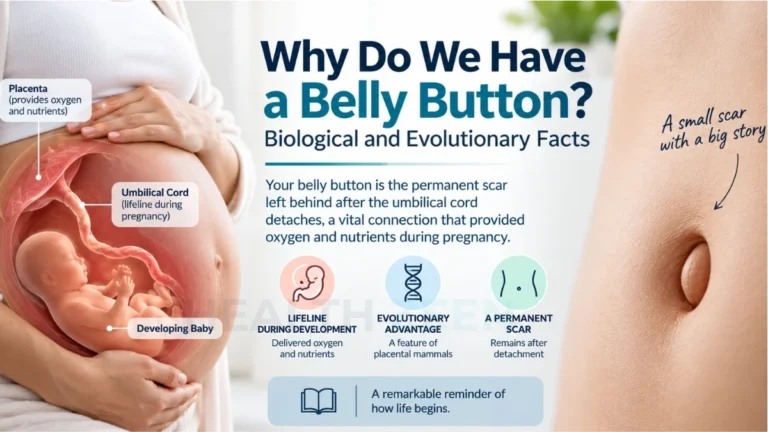

Is Belly Button Pain a Sign of Miscarriage? Causes and Warnings
No, isolated belly button pain is not a classic clinical sign of a miscarriage. This localized discomfort is typically caused by normal round ligament stretching, skin expansion, or a pregnancy-induced umbilical hernia. A true miscarriage primarily presents with heavy vaginal bleeding and severe cramping deep in the lower pelvis, though any sudden severe navel pain accompanied by bleeding requires immediate emergency obstetric care.
Pregnant women frequently experience extreme anxiety when they feel sudden, sharp pain radiating from their navel, immediately associating any abdominal discomfort with a potential pregnancy loss. Clinical obstetrics dictates that the location of abdominal pain provides critical diagnostic clues regarding the underlying anatomical issue. While a miscarriage involves severe uterine contractions located deep within the lower pelvis, belly button pain originates strictly from the anterior abdominal wall. You must understand the distinct anatomical differences between normal structural stretching and a true obstetric emergency to evaluate your symptoms accurately.
What Are the Actual Clinical Signs of a Miscarriage?
A miscarriage, clinically termed a spontaneous abortion, primarily affects the uterus and the cervix located deep within the lower pelvic cavity. The symptoms of early pregnancy loss distinctly differ from superficial belly button pain.
The American College of Obstetricians and Gynecologists (ACOG) states that the hallmark clinical sign of a miscarriage is vaginal bleeding. This bleeding frequently ranges from light spotting to a heavy flow containing large blood clots or grayish tissue. Alongside the bleeding, patients experience severe, intermittent pelvic cramping that feels significantly more intense than a standard menstrual period. This specific cramping occurs in the suprapubic region (the lowest part of the abdomen near the pubic bone) and frequently radiates directly into the lower back. Isolated pain concentrated around the umbilicus is structurally unrelated to the uterine contractions causing a miscarriage.
If belly button pain does not indicate a miscarriage, you must identify the actual biomechanical and structural reasons why your navel hurts. As the uterus rapidly expands, it exerts immense mechanical tension across the entire abdominal wall.
Round Ligament Pain
Round ligament pain is the most frequent cause of sharp, pulling sensations near the belly button during the second trimester. The round ligaments are thick bands of fibrous tissue that suspend the uterus within the pelvis. As the uterus grows, these ligaments stretch to their absolute maximum capacity. Sudden movements, such as rolling over in bed, coughing, or standing up too quickly, violently snap these tight ligaments. This sudden tension sends sharp, shooting pain radiating from the lower groin upward directly toward the belly button.
Abdominal Skin Stretching
As the third trimester approaches, the abdominal skin stretches tightly to accommodate the enlarging uterus. The umbilicus is the thinnest point of the abdominal wall. This extreme outward pressure forces an “innie” belly button to protrude outward, making it highly sensitive to friction from clothing. The resulting discomfort is a superficial dermal irritation, completely unrelated to the internal reproductive organs.
Pregnancy-Induced Umbilical Hernias
An expanding uterus drastically increases intra-abdominal pressure. This excessive pressure frequently forces small sections of fatty tissue or intestines through the weakened fascial opening behind the navel, triggering an umbilical hernia. This structural defect causes localized, sharp belly button pain that actively worsens when you bear down, laugh, or lift objects.
While a standard miscarriage causes lower pelvic pain, severe periumbilical pain during the first trimester can indicate a life-threatening obstetric emergency known as a ruptured ectopic pregnancy.
An ectopic pregnancy occurs when a fertilized egg implants outside the main uterine cavity, most commonly inside a fallopian tube. The fallopian tubes cannot expand to accommodate growth. According to the National Institutes of Health (NIH), if the tube ruptures, it causes massive internal abdominal hemorrhaging. The pooling blood severely irritates the peritoneal membrane lining the abdominal cavity. This extreme internal irritation causes sudden, excruciating pain that engulfs the entire abdomen, frequently peaking around the belly button and radiating directly into the shoulder tip. A ruptured ectopic pregnancy requires immediate emergency surgery to stop the fatal internal bleeding.
How Do Doctors Diagnose the Source of Abdominal Pain?
Obstetricians diagnose the exact source of abdominal pain during pregnancy by combining physical examinations with advanced diagnostic imaging and blood pathology tests.
Physicians utilize transvaginal ultrasounds to visually confirm the structural integrity of the pregnancy inside the uterus and rule out an ectopic implantation. During the physical exam, the doctor will carefully palpate the belly button to check for protruding umbilical hernias or severe fascial defects. Additionally, serial blood tests are drawn to measure human chorionic gonadotropin (hCG) levels. A rapid, abnormal drop in hCG strongly indicates a failing pregnancy, whereas localized umbilical pain with normal hCG levels points directly to structural muscle or ligament strain.
When Should You Consult an Obstetrician?
You must consult your obstetrician or proceed to an emergency department immediately if you experience specific clinical red flags alongside your abdominal discomfort.
Seek immediate emergency obstetric care if your belly button pain is accompanied by any volume of vaginal bleeding, regardless of whether it is brown spotting or bright red blood. You must go to the emergency room without delay if you develop sudden, severe abdominal rigidity, lightheadedness, a high fever, or sharp pain that radiates into your shoulder. These critical markers indicate severe internal hemorrhaging or a systemic infection requiring immediate life-saving medical intervention.
No, a pulling sensation in your belly button is not a sign of miscarriage. It is the classic clinical presentation of round ligament pain or early fascial stretching caused by the rapidly expanding uterus pulling on the abdominal wall.
Where exactly do you feel miscarriage pain?
You feel miscarriage pain deep within the lower pelvis, specifically in the suprapubic region just above the pubic bone. The pain frequently mimics intense menstrual cramping and radiates backward into the lower spine, rather than localizing at the navel.
Yes, a ruptured ectopic pregnancy can cause excruciating belly button pain. The massive internal bleeding irritates the abdominal peritoneum, causing severe, radiating pain that frequently engulfs the entire mid-abdomen and shoulder.
What kind of pain is normal in early pregnancy?
Mild, occasional pelvic twinges and sharp, brief pulling sensations in the groin or near the belly button are entirely normal during early pregnancy. These biomechanical pains result directly from uterine expansion and shifting internal organs.
You know your belly button pain is a hernia if you can physically feel a soft, tender bulge protruding directly behind the navel. The sharp pain will significantly intensify when you cough, sneeze, or attempt to lift heavy objects.
Can a stomach bug cause a miscarriage?
No, a standard gastrointestinal stomach bug causing nausea and belly button cramping does not cause a miscarriage. The human digestive tract is physically separated from the enclosed, highly protected uterine cavity.
You generally do not need to worry about isolated belly button pain without vaginal bleeding, provided the pain is mild and fleeting. However, if the localized pain becomes sudden, severe, and unrelenting, you must seek a clinical evaluation.
Can stretching cause a miscarriage?
No, normal physical stretching cannot cause a miscarriage. Spontaneous abortions are primarily caused by chromosomal abnormalities within the embryo. However, aggressive stretching can trigger severe abdominal muscle strains and intense round ligament pain.
How soon do miscarriage symptoms start?
Miscarriage symptoms can start at any point during the first trimester, typically before the twelfth week of gestation. The symptoms usually begin with mild spotting that rapidly progresses into heavy vaginal bleeding and severe lower pelvic cramping.
Yes, round ligament pain frequently radiates upward from the lower groin directly toward the belly button. The thick ligaments stretch diagonally across the abdomen, causing sharp, shooting pains along that specific structural pathway when you move suddenly.
Conclusion
Experiencing belly button pain during pregnancy is a highly common anatomical symptom that typically indicates structural biomechanical changes, rather than a spontaneous abortion. Isolated discomfort at the navel is primarily driven by round ligament tension, severe skin stretching, or pregnancy-induced umbilical hernias. A true miscarriage presents with distinctly different clinical markers, specifically heavy vaginal bleeding and intense cramping located deep within the lower pelvis and lower back. However, you must remain vigilant for severe, sudden abdominal pain that could indicate a ruptured ectopic pregnancy. If your umbilical discomfort is accompanied by bleeding, severe dizziness, or radiating shoulder pain, you must seek immediate emergency obstetric evaluation to rule out life-threatening internal hemorrhaging.
Disclaimer
This blog is for informational & educational purposes only, and does not intend to substitute any professional medical advice or consultation. For any health related concerns, please consult with your physician, or call 911.