
Can a Belly Button Infection Kill You? Risks, Symptoms, and Sepsis
Yes, while extremely rare in healthy adults, a severe belly button infection (omphalitis) can be fatal if aggressive bacteria enter the bloodstream, leading to life-threatening sepsis, septic shock, or necrotizing fasciitis. If a navel infection is accompanied by a high fever, red streaks on the abdomen, or extreme lethargy, it requires immediate emergency medical care and intravenous antibiotics to prevent systemic organ failure.
A simple belly button infection (omphalitis) typically remains localized to the superficial skin layers, causing minor discomfort, redness, and foul-smelling discharge. However, patients frequently underestimate the anatomical danger of the umbilicus. The belly button represents the thinnest part of the abdominal wall and sits directly above critical internal blood vessels and the peritoneal cavity. When an aggressive bacterial pathogen breaches this delicate barrier, a minor skin irritation can rapidly escalate into a systemic medical emergency. You must understand the specific clinical pathways through which a localized navel infection becomes a life-threatening condition.
A belly button infection becomes fatal when localized bacteria bypass the localized immune response and infiltrate the deeper abdominal tissues or the bloodstream. This pathogenic infiltration triggers severe, cascading systemic complications that require intensive hospital care.
Sepsis and Septic Shock
Sepsis is the primary mechanism through which a belly button infection kills a patient. When virulent bacteria from the navel enter the bloodstream, the immune system launches an extreme systemic inflammatory response. According to the Centers for Disease Control and Prevention (CDC), sepsis rapidly causes tissue damage, dangerously low blood pressure (septic shock), and multiple organ failure. Without immediate medical intervention, septic shock is frequently fatal within a matter of hours.
Necrotizing Fasciitis (Flesh-Eating Disease)
An untreated navel infection, particularly from a contaminated belly button piercing, can rarely introduce Streptococcus pyogenes or Staphylococcus aureus deep into the abdominal fascia. This triggers necrotizing fasciitis, a rapidly spreading bacterial infection that aggressively destroys the soft tissue and muscle surrounding the umbilicus. The National Institutes of Health (NIH) states that necrotizing fasciitis carries a high mortality rate and requires immediate surgical debridement (amputation of dead tissue) to save the patient’s life.
Peritonitis (Abdominal Cavity Infection)
The umbilicus provides a direct anatomical bridge to the peritoneum, the delicate silk-like membrane lining your inner abdominal cavity. If a severe navel infection breaches the abdominal wall, bacteria pour directly into the sterile peritoneal cavity. This massive internal infection, known as peritonitis, paralyzes the intestines and rapidly dumps lethal bacterial toxins directly into the central circulatory system.
You must strictly differentiate between adult belly button infections and neonatal omphalitis, as the mortality risks are drastically different.
Neonatal Omphalitis: A belly button infection in a newborn infant is an absolute, life-threatening medical emergency. The unhealed umbilical cord stump provides a direct, open highway to the baby’s developing liver and bloodstream. According to the StatPearls Clinical Database for Neonatal Omphalitis (NCBI), infections in newborns can rapidly cause fatal sepsis and portal vein thrombosis due to their highly immature immune systems.
Adult Omphalitis: In healthy adults, the umbilical vessels have completely closed and turned into solid ligaments. Therefore, an adult navel infection is highly unlikely to cause death unless the patient is severely immunocompromised, suffers from unmanaged diabetes, or ignores severe escalating symptoms for an extended period.
What Are the Warning Signs of a Spreading Infection?
You must monitor a localized belly button infection closely for specific clinical warning signs indicating that the bacteria are spreading systemically. Seek emergency medical care immediately if you experience any of the following symptoms:
- High Fever and Chills: A sudden core body temperature exceeding 101°F (38.3°C) accompanied by uncontrollable shivering indicates a bloodstream infection.
- Red Streaking: Visible red lines radiating outward from the belly button across the abdominal skin strongly suggest lymphangitis (infection of the lymph vessels).
- Rapid Heart Rate: A resting heart rate consistently over 90 beats per minute combined with shortness of breath is a primary clinical marker for early sepsis.
- Extreme Lethargy: Sudden, severe confusion, dizziness, or an inability to stay awake indicates dropping blood pressure and inadequate oxygen delivery to the brain.
- Foul, Purulent Discharge: Continuous leaking of thick green, brown, or bloody pus accompanied by a rotting odor signifies deep tissue necrosis.
Yes, a belly button piercing can lead to a deadly infection if the piercing equipment is contaminated or if the patient practices poor aftercare. Puncturing the abdominal tissue creates a deep, open wound. If antibiotic-resistant bacteria, such as MRSA (Methicillin-resistant Staphylococcus aureus), enter the fresh piercing, the infection can rapidly bypass the surface skin layers and trigger necrotizing fasciitis or toxic shock syndrome.
What Are the Emergency Medical Treatments?
Medical professionals treat life-threatening belly button infections using aggressive, multi-faceted clinical interventions within a hospital intensive care unit (ICU).
- Intravenous (IV) Antibiotics: Physicians immediately administer broad-spectrum IV antibiotics to attack the circulating bacteria and halt the progression of sepsis.
- Surgical Drainage and Debridement: General surgeons perform emergency operations to drain hidden abdominal abscesses and surgically remove all necrotic (dead) tissue from the abdominal wall to stop the infection from spreading further.
- Hemodynamic Support: ICU nurses utilize intravenous fluids and specific vasopressor medications to force the patient’s blood pressure up and keep vital organs functioning during septic shock.
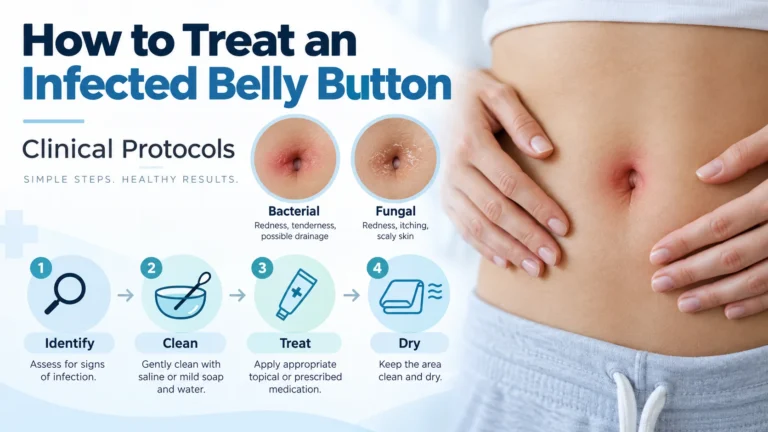
A very mild, superficial belly button infection may resolve on its own within a few days with strict daily cleaning using sterile saline. However, if the area develops worsening pain, swelling, or thick purulent discharge, it requires prescription topical antibiotics.
You know a belly button infection is serious when the localized redness rapidly expands across your stomach, you develop a high fever, or you experience sharp, radiating abdominal pain. These symptoms dictate an immediate visit to the emergency room.
Yes, aggressively picking your belly button with dirty fingernails or sharp objects can cause a fatal infection. This physically lacerates the delicate umbilical tissue, directly introducing dangerous bacteria like Staphylococcus into the deeper dermal layers.
Methicillin-resistant Staphylococcus aureus (MRSA), Streptococcus pyogenes, and Pseudomonas aeruginosa are the primary, highly virulent bacterial pathogens capable of causing deadly, systemic belly button infections.
A severe belly button infection can turn into sepsis rapidly, sometimes within 24 to 48 hours. This accelerated timeline is especially common in immunocompromised individuals, diabetic patients, or newborn infants with unhealed umbilical stumps.
No, an infected belly button cannot directly cause appendicitis. While both conditions cause severe abdominal pain, omphalitis is an external skin and soft tissue infection, whereas appendicitis is the internal inflammation of the appendix organ.
No, medical professionals explicitly warn against using hydrogen peroxide on an infected belly button. It violently destroys healthy white blood cells and regenerating tissue, drastically delaying the healing process and allowing the infection to worsen.
A belly button infection causes a high fever because the body's immune system raises its core temperature to create an inhospitable environment for the invading bacteria. A fever exceeding 101°F indicates that the infection has entered the bloodstream.
Yes, unmanaged diabetes severely restricts peripheral blood flow and weakens the immune system's ability to fight off invading pathogens. Diabetics are at a significantly higher risk of a minor navel infection escalating into life-threatening sepsis.
You should go to the emergency room immediately if your belly button infection is accompanied by a high fever, uncontrollable vomiting, severe lethargy, rapid heart rate, or red streaks spreading across your abdomen.
Conclusion
While the vast majority of navel irritations remain minor and highly localized, a belly button infection can kill you if virulent bacteria aggressively infiltrate the bloodstream or deep abdominal fascia. The umbilicus is structurally vulnerable, and neglecting a severe infection drastically increases the risk of fatal complications like sepsis, peritonitis, and necrotizing fasciitis. You must remain vigilant for systemic warning signs, including high fever, spreading redness, and rapid heart rate. If these severe symptoms accompany your belly button pain or foul discharge, you must seek immediate emergency medical evaluation to receive life-saving intravenous antibiotics and prevent irreversible systemic shock.
Disclaimer
This blog is for informational & educational purposes only, and does not intend to substitute any professional medical advice or consultation. For any health related concerns, please consult with your physician, or call 911.