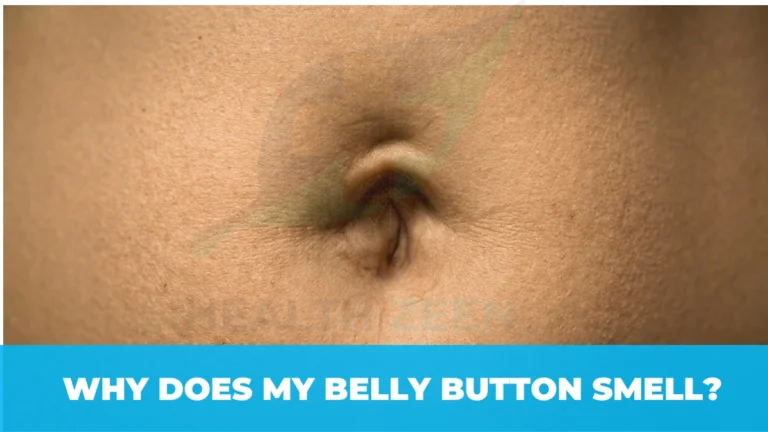

Why Does My Belly Button Leak and Smell? Clinical Causes of Odorous Drainage
Discovering that your belly button is actively leaking a foul-smelling fluid is a highly distressing clinical symptom that requires immediate attention. In dermatology and general surgery, there is a strict diagnostic difference between a navel that is simply damp from trapped sweat and a navel that is actively weeping biological material. A true leak indicates that a structural barrier has been breached, allowing internal fluids to drain out onto the surface of your skin.
When an active leak is simultaneously accompanied by a putrid, rancid, or sour malodor, it clearly signals that the draining fluid has been colonized by anaerobic bacteria. The odor is not coming from the fluid itself, but rather from the metabolic gases released by bacteria as they aggressively consume the proteins within the exudate. To accurately determine why your belly button is leaking and smelling, you must identify the precise origin of the fluid. The underlying cause could range from a highly localized pocket of bacterial pus to a ruptured internal cyst, or even a deep congenital tract connecting your navel directly to your internal abdominal organs.
Suppurative Omphalitis: The Weeping Bacterial Infection
The most frequent cause of a leaking, odorous belly button is a severe, deep-seated bacterial infection known as suppurative omphalitis. The human navel is a dark, recessed cavity that naturally traps dead skin cells, moisture, and debris. If a microscopic scratch occurs inside this cavity, highly aggressive surface bacteria, typically Staphylococcus aureus, can invade the vulnerable tissue.
When these bacteria multiply, your immune system launches a massive inflammatory counterattack. This biological battlefield results in the rapid creation of purulent exudate, commonly known as pus. Pus is a thick, opaque liquid composed of liquefied dead tissue, destroyed white blood cells, and the rapidly multiplying bacteria. Because the enclosed navel cannot contain the sheer volume of this fluid, the belly button begins to actively leak a murky yellow, thick green, or rusty brown exudate. As anaerobic bacteria break down the necrotic tissue within this pus, they release highly pungent sulfur gases, causing the overwhelming, putrid smell associated with the leak.
Urachal Cysts and Patent Urachus
If the fluid leaking from your belly button is thin, watery, slightly yellowish, and smells distinctly like urine or ammonia, the root cause is likely a congenital urological abnormality tied to the urachus.
During fetal development, a tiny tube called the urachus connects the developing baby’s bladder directly to the belly button, allowing urine to drain into the umbilical cord. Before birth, this tube is supposed to completely collapse and solidify into a dense ligament. However, in a small percentage of adults, a microscopic section of this tube remains structurally open, forming a hidden internal pocket called an urachal cyst.
If bacteria migrate into this hidden pocket, the urachal cyst becomes severely infected, swells with fluid, and ultimately ruptures. When it ruptures, it creates a direct sinus tract that leaks foul-smelling, purulent fluid straight out of the belly button. In extremely rare cases, the entire fetal tube fails to close, a condition known as a patent urachus. Adults with a patent urachus may experience an actual, active leakage of urine directly from their navel, which emits a highly distinct, acidic, and foul odor if it becomes stagnant.
Ruptured Epidermoid and Sebaceous Cysts
Sometimes, the foul-smelling leak originates from a blocked and infected pore hidden just beneath the delicate skin of the umbilical scar.
An epidermoid cyst is a small, encapsulated sac beneath the skin that slowly fills with keratin, the protein that makes up your skin and hair. A sebaceous cyst fills with sebum, your natural body oil. When these cysts form within the tight confines of the navel, they often remain unnoticed for years, slowly growing larger as they fill with biological waste.
If one of these cysts becomes highly inflamed or is accidentally squeezed by the friction of a tight belt buckle, the sac can spontaneously rupture. When an epidermoid cyst bursts inside the belly button, it aggressively leaks a thick, chunky, grayish-white or pale yellow material. Because this trapped keratin has been slowly decaying in a completely oxygen-deprived environment, the resulting leak emits a sudden, incredibly pungent odor that strongly resembles the smell of rancid cheese or dirty socks.
Umbilical Fistulas and Gastrointestinal Tracts
In rare but highly critical medical scenarios, a leaking and smelling belly button is caused by an umbilical fistula. A fistula is an abnormal, deeply burrowed anatomical tunnel that connects an internal organ directly to the surface of your skin.
Patients suffering from severe inflammatory bowel diseases, such as Crohn’s disease, or those recovering from complex abdominal surgeries can develop these deep tracts. If an enterocutaneous fistula forms, a microscopic tunnel connects the small or large intestine directly to the back of the navel. This results in the terrifying symptom of the belly button actively leaking raw, highly acidic digestive juices, or in severe cases, microscopic amounts of fecal matter. An umbilical fistula produces a deeply foul, putrid, and distinctly gastrointestinal odor, and requires immediate, life-saving surgical intervention to close the tract and prevent systemic sepsis.
When to Seek Emergency Medical Evaluation
A belly button that leaks a foul-smelling fluid is never a condition that can be safely ignored or treated exclusively with home remedies. While a ruptured surface cyst may eventually drain and heal, the potential for a deep structural tract demands rigorous clinical evaluation.
You must seek immediate emergency medical care if the leaking fluid is accompanied by a rapidly spreading, bright red rash that shoots outward from the navel across your stomach. Seek urgent intervention if you suddenly develop a high fever, uncontrollable shivering, extreme nausea, or if your abdominal muscles feel rock hard to the touch. These are the primary clinical indicators that a localized umbilical infection has violently bypassed the fascial barrier and is actively attacking your deep internal organs, creating a life-threatening medical emergency.
Frequently Asked Questions
A smelly, thick yellow fluid leaking from the belly button is purulent exudate, commonly known as pus. This active leakage indicates a severe bacterial infection called suppurative omphalitis. The putrid smell is created by anaerobic bacteria aggressively digesting the dead tissue within the pus.
If the fluid leaking from your navel is watery, pale yellow, and smells distinctly like ammonia or urine, you likely have a congenital abnormality called a patent urachus or an infected urachal cyst. This means a fetal tube connecting your bladder to your navel failed to close properly before birth.
Yes, a ruptured epidermoid or sebaceous cyst hidden beneath the umbilical skin will leak a thick, chunky, grayish-white material. Because this trapped keratin and sebum has been decaying in an oxygen-deprived environment, the sudden leak produces an overwhelmingly foul, rancid cheese odor.
You cannot safely stop an active, odorous leak with standard soap and water. You must consult a physician for a proper diagnosis. Depending on the root cause, you will need prescription-grade topical or oral antibiotics to destroy the bacteria, or a surgical consultation to remove an underlying cyst or tract.
No, active leakage is never clinically normal. While clear, odorless serous fluid can weep from a minor scratch, clear fluid that possesses a highly foul or putrid odor strongly suggests that an underlying internal cyst has ruptured or a deep sinus tract has become colonized by bacteria.
If the fluid leaking from your belly button has a distinct, overwhelming fecal odor, it is a medical emergency. This presentation strongly suggests the presence of an enterocutaneous fistula, which is an abnormal, deeply burrowed tunnel connecting your gastrointestinal tract directly to your navel.
Yes, ignoring an actively leaking and odorous navel is highly dangerous. If the underlying bacterial infection is left untreated, it can rapidly spread deeper into the abdominal fascia, causing a life-threatening, flesh-eating condition known as necrotizing fasciitis or a systemic blood infection called sepsis.
No, you should never pour hydrogen peroxide or rubbing alcohol into an actively leaking navel. These harsh chemicals are incredibly cytotoxic, meaning they instantly destroy your healthy, living skin cells and severely delay the natural healing process, ultimately making the deep infection much worse.
Yes, a fresh or severely irritated belly button piercing creates a deep, open puncture wound that easily traps aggressive surface bacteria. If the piercing tract becomes infected, it will constantly leak foul-smelling, thick green or yellow pus until the jewelry is removed and the infection is medically treated.
A physician will first take a swab culture of the leaking, odorous fluid to identify the exact bacterial or fungal strain responsible for the infection. If they suspect a deep tract or cyst, they will order a specialized abdominal ultrasound or a CT scan to visually map the internal structures behind the navel.
Conclusion
An actively leaking and highly odorous belly button is a definitive structural warning sign that must be evaluated with strict clinical scrutiny. Because the umbilicus serves as the central intersection for complex abdominal fascia, superficial skin layers, and lingering congenital tracts, a putrid leak is rarely a simple issue of poor hygiene. Whether the foul-smelling exudate is thick bacterial pus from aggressive omphalitis, rancid decaying keratin from a ruptured internal cyst, or acidic fluid draining from an ancient urachal pathway, the presence of anaerobic malodor confirms that a biological barrier has failed. Attempting to endlessly scrub a deep sinus tract or mask the odor with perfumes will only allow the underlying bacterial colonies to multiply further into your abdominal cavity. By seeking a prompt medical evaluation, obtaining a targeted prescription antibiotic, and ruling out any deep structural fistulas, you can successfully halt the pathological drainage, eradicate the putrid odor, and safely restore the anatomical integrity of your navel.
Disclaimer
This blog is for informational and educational purposes only, and does not intend to substitute any professional medical advice or consultation. For any health related concerns, please consult with your physician, or call 911.