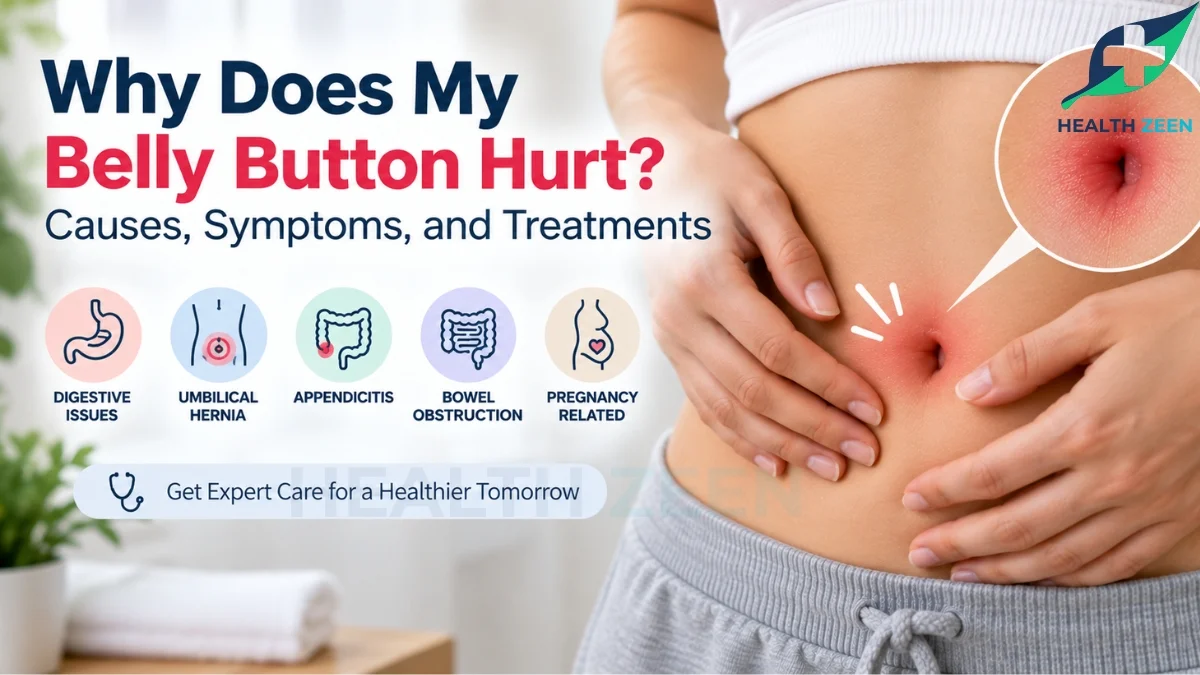
Why Does My Belly Button Hurt? Causes, Symptoms, and Treatments
Belly button pain, clinically known as periumbilical pain, is primarily caused by an umbilical hernia, the early stages of acute appendicitis, or a small bowel obstruction. You must seek emergency medical care immediately if the sharp ache actively migrates to your lower right abdomen, is accompanied by a high fever, or causes severe vomiting, as these indicate a critical surgical emergency.
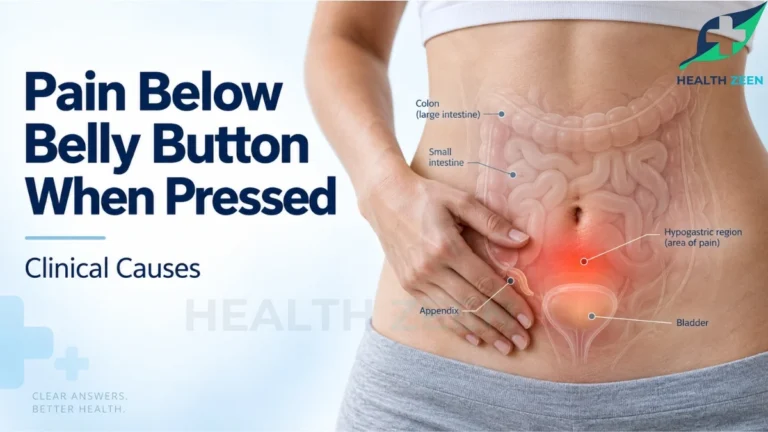
Belly button pain, clinically known as periumbilical pain, originates primarily from gastrointestinal inflammation, abdominal wall defects, or referred pain from adjacent internal organs. Patients frequently experience a spectrum of discomfort ranging from a dull, persistent ache to a sharp, pulling sensation directly behind the navel. The periumbilical region contains a dense network of nerve pathways connected to the stomach, small intestine, and appendix. You must identify the exact underlying clinical cause of this abdominal discomfort to differentiate between minor indigestion and a severe medical emergency requiring immediate surgical intervention.
Umbilical hernias, early acute appendicitis, and small bowel obstructions primarily cause your belly button to hurt. These specific gastrointestinal and structural conditions trigger acute inflammation and intense physical pressure directly within the periumbilical region.
Umbilical Hernia
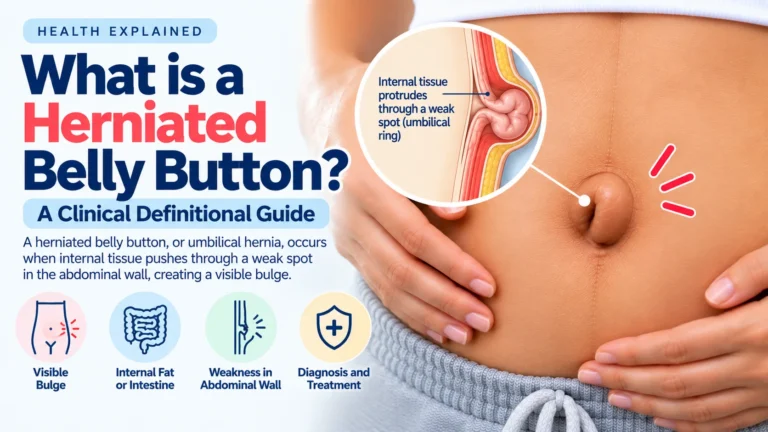
An umbilical hernia occurs when abdominal tissue or sections of the intestines push aggressively through a weakened muscle wall near the navel. This structural defect creates a visible, tender bulge and produces a sharp pulling pain when you cough, laugh, or lift heavy objects. According to Columbia Surgery’s Umbilical Hernia Guide, umbilical hernias require prompt surgical repair if the protruding tissue becomes incarcerated or strangulated, which cuts off the local blood supply entirely and causes tissue necrosis.
Early Appendicitis (Periumbilical Pain)
Early appendicitis initially causes a dull, aching pain around the belly button before actively migrating to the lower right abdomen. This specific migratory pain pattern represents referred pain from an inflamed and swelling appendix. According to the StatPearls Clinical Database for Appendicitis (NCBI), acute appendicitis presents with periumbilical discomfort, low-grade fever, and severe nausea. This condition requires an immediate emergency appendectomy to prevent organ rupture and life-threatening peritonitis.
Small Bowel Obstruction
A small bowel obstruction physically blocks the normal passage of digested food and fluids through the intestines, triggering severe periumbilical cramping. This internal gastrointestinal blockage results predominantly from internal scar tissue (adhesions), trapped hernias, or severe inflammatory bowel disease. The Cleveland Clinic’s Guide on Bowel Obstruction states that small bowel obstructions cause intense abdominal bloating, severe vomiting, and an absolute inability to pass gas, requiring urgent hospitalization and intravenous fluid therapy.
Gastroenteritis (Stomach Flu)
Gastroenteritis causes widespread abdominal cramping that frequently radiates toward the belly button. Viral or bacterial pathogens inflame the delicate mucosal lining of the stomach and intestines. This highly contagious gastrointestinal infection produces watery diarrhea, low-grade fever, and severe periumbilical spasms that typically resolve within a few days through strict oral hydration and physical rest.
Peptic Ulcer Disease
Peptic ulcer disease creates a burning sensation near the belly button due to open, bleeding sores developing inside the stomach or upper intestinal lining. The Helicobacter pylori bacteria or excessive long-term use of nonsteroidal anti-inflammatory drugs (NSAIDs) erode the protective mucosal layer. This localized tissue damage triggers sharp, gnawing pain that dramatically worsens when your stomach is empty.
Belly button pain during pregnancy results directly from rapid uterine expansion, round ligament stretching, and an outward protruding umbilicus. These normal anatomical changes place immense physical stress and tension across the entire abdominal wall.
Round Ligament Pain
Round ligament pain triggers sharp, pulling sensations near the belly button and lower groin as the thick ligaments supporting the growing uterus stretch rapidly. This normal physiological adaptation occurs predominantly during the second trimester of pregnancy. Sudden physical movements, coughing, or rolling over in bed rapidly exacerbate this sharp periumbilical discomfort.
Uterine Pressure and Skin Stretching
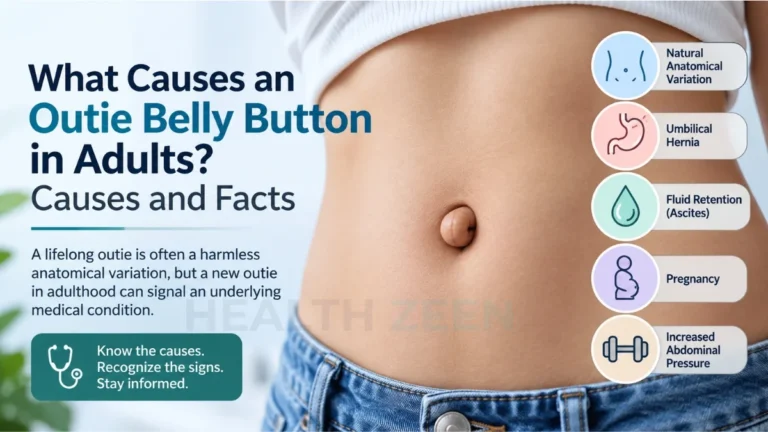
The rapidly growing uterus exerts massive internal pressure directly against the back of the belly button, causing deep localized soreness. As the abdominal skin stretches to its maximum capacity during the third trimester, the umbilical tissue becomes highly sensitive, protruding outward and becoming prone to severe friction-induced pain from regular clothing.
How Do Different Pain Types Indicate Specific Conditions?
Different pain types indicate specific medical conditions by revealing the exact underlying pathological process occurring inside the abdominal cavity. Sharp, pulling pain points directly to structural muscle defects, while a migratory dull ache strongly suggests acute organ inflammation.
Sharp, pulling pain inside the belly button strongly indicates an active umbilical hernia, internal surgical adhesions, or round ligament stretching during pregnancy. This specific pain intensifies immediately upon physical exertion, bending over, or bearing down during a bowel movement.
A persistent dull, aching pain around the navel signifies early appendicitis, viral gastroenteritis, or a developing peptic ulcer. This non-localized discomfort stems from general gastrointestinal inflammation building up before the pain pinpoints to a specific failing organ.
Pain That Moves to the Lower Right Abdomen
Periumbilical pain that actively migrates from the belly button to the lower right abdomen represents the classic clinical presentation of acute appendicitis. This highly specific migratory pain pattern requires emergency medical evaluation to rule out an imminent appendix rupture.
How Do Doctors Diagnose Periumbilical Pain?
Medical professionals diagnose periumbilical pain using physical palpation, blood pathology tests, and advanced abdominal imaging techniques. You must undergo this comprehensive clinical evaluation to pinpoint the exact etiology of your abdominal discomfort accurately.
- Physical Examination: The physician actively palpates the abdomen to check for severe muscular rigidity, rebound tenderness, or visible umbilical hernias protruding through the skin.
- Blood Pathology: Doctors draw blood samples to evaluate white blood cell counts, which spike dramatically during acute bacterial infections like appendicitis.
- Diagnostic Imaging: Medical technicians utilize abdominal CT scans and high-resolution ultrasounds to visualize intestinal obstructions, inflamed organs, and herniated tissues clearly.
Medical treatments for belly button pain range from oral antibiotics and acid reducers to emergency surgical interventions. A gastroenterologist or general surgeon prescribes specific targeted therapies based entirely on the confirmed underlying diagnosis.
- Surgical Repair: Surgeons perform minimally invasive laparoscopic procedures to repair umbilical hernias using surgical mesh and to remove inflamed appendixes safely.
- Intravenous Therapy: Hospital staff administer IV fluids, electrolyte replacements, and strict bowel rest protocols to manage and resolve small bowel obstructions safely.
- Pharmacological Treatment: Doctors prescribe proton pump inhibitors (PPIs) to heal bleeding peptic ulcers and broad-spectrum antibiotics to eradicate severe bacterial gastroenteritis.
When Should You Consult a Doctor?
You should consult a doctor immediately when belly button pain becomes severe, prevents normal physical movement, or is accompanied by uncontrollable vomiting. Delaying medical intervention for acute periumbilical pain drastically increases the risk of intestinal rupture and fatal sepsis.
Contact a healthcare provider without delay if your core body temperature exceeds 101°F (38.3°C). Seek emergency medical care immediately if the dull pain actively migrates from your navel to your lower right abdomen. Request urgent clinical assistance if you experience bloody stools, an absolute inability to pass gas, or a rigid, board-like abdomen.
Your belly button hurts when you press on it due to an underlying umbilical hernia or localized bacterial inflammation. Applying direct physical pressure compresses the inflamed subcutaneous tissue or pushes protruding intestines against the weakened abdominal muscle wall.
Yes, severe constipation causes belly button pain. Hardened, impacted stool stretches the delicate walls of the small and large intestines, triggering sharp cramping and a heavy, aching sensation that radiates directly toward the periumbilical region.
Yes, a severe urinary tract infection causes belly button pain through a mechanism called referred pain. When a lower UTI aggressively travels upward into the kidneys or bladder, the resulting pelvic inflammation radiates dull pain toward the navel.
Your belly button feels like it is being pulled from the inside due to internal surgical adhesions or an active umbilical hernia. Scar tissue from previous abdominal surgeries creates tight internal bands that pull directly on the delicate umbilical tissue during physical movement.
Yes, it is normal for your belly button to hurt during a menstrual period. Severe uterine cramping and the release of inflammatory prostaglandins radiate pain upward through the pelvic nerve pathways, causing a dull ache in the periumbilical area.
Yes, lifting heavy objects causes belly button pain by drastically increasing intra-abdominal pressure. This sudden spike in pressure strains the abdominal muscles and frequently forces internal tissue through the navel, triggering an acute umbilical hernia.
Belly button pain caused by viral gastroenteritis typically lasts between 24 to 72 hours. The periumbilical cramping naturally subsides as the immune system clears the viral pathogen and gastrointestinal inflammation gradually decreases.
Yes, severe clinical anxiety causes pain around the belly button. Extreme psychological stress triggers the enteric nervous system, altering gut motility and causing sharp, localized periumbilical stomach cramps without any underlying physical pathogen.
What does a strangulated umbilical hernia feel like?
A strangulated umbilical hernia feels like sudden, excruciating, and unrelenting pain directly localized at the belly button. The protruding bulge becomes highly sensitive, turns red or purple, and is frequently accompanied by severe nausea and uncontrollable vomiting.
Yes, Crohn's disease causes persistent belly button pain. This chronic inflammatory bowel disease severely inflames the mucosal lining of the small intestine, triggering sharp periumbilical cramping, severe bloating, and chronic diarrhea.
Conclusion
Belly button pain, or periumbilical pain, serves as a critical clinical warning sign for underlying gastrointestinal and structural abdominal issues. While minor conditions like viral gastroenteritis and temporary indigestion resolve independently with proper rest and hydration, you must remain highly vigilant for more dangerous etiologies. Sharp, pulling pains or migrating aches frequently indicate an umbilical hernia, a small bowel obstruction, or acute appendicitis. You must seek immediate emergency medical evaluation if your navel pain becomes sudden, severe, or is accompanied by a high fever and vomiting to prevent life-threatening abdominal complications.
Disclaimer
This blog is for informational & educational purposes only, and does not intend to substitute any professional medical advice or consultation. For any health related concerns, please consult with your physician, or call 911.