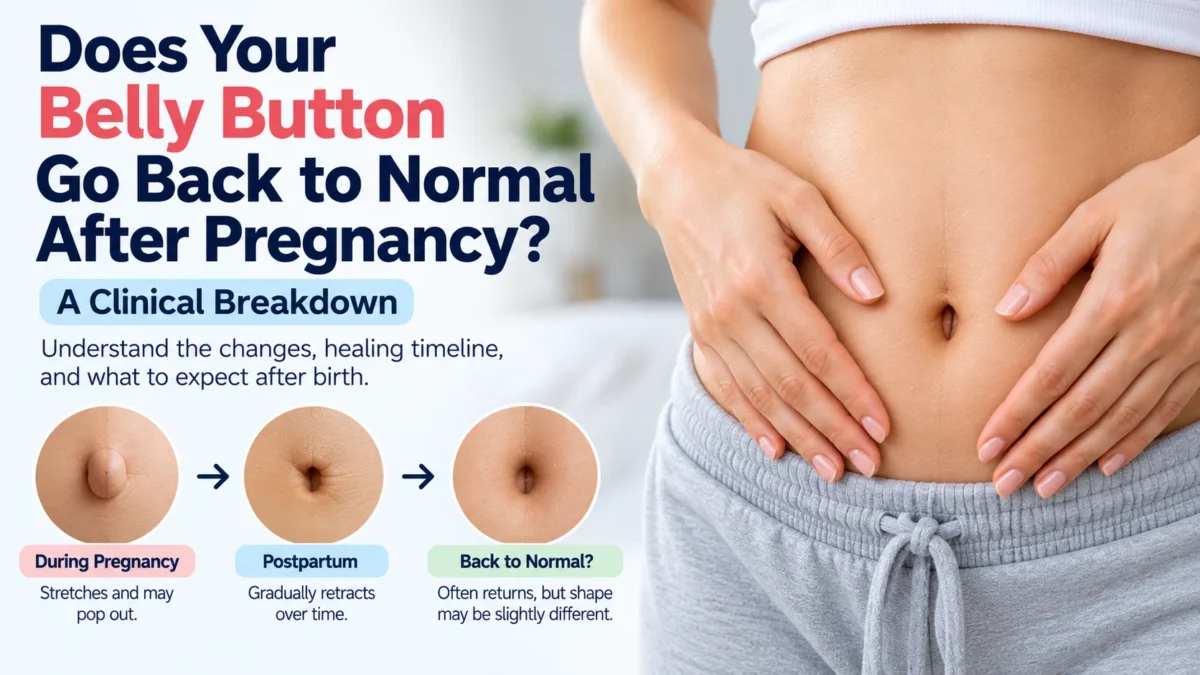
Does Your Belly Button Go Back to Normal After Pregnancy? A Clinical Breakdown
During the nine months of pregnancy, the female body undergoes a magnificent and violent biomechanical transformation. As the uterus expands to accommodate a growing fetus, the anterior abdominal wall is subjected to extreme, relentless outward pressure. The center of this massive physical expansion is the umbilicus. By the third trimester, a deep, hidden innie belly button will often stretch entirely flat or pop out to become a highly sensitive outie.
Once the baby is delivered, mothers are frequently left staring at a completely transformed navel, quietly wondering if their belly button will ever go back to normal. The clinical answer is entirely dependent on the structural integrity of your internal connective tissue. The human belly button is not just a piece of surface skin; it is a dense fascial scar anchored deeply to the center of your abdominal muscles. Whether your navel naturally retracts to its pre-pregnancy state, remains slightly permanently altered, or develops into a postpartum umbilical hernia depends on a complex interplay of collagen synthesis, skin laxity, and a condition known as diastasis recti. By understanding the biomechanics of postpartum healing, you can set realistic expectations for your physical recovery.
The Biomechanics of the Pregnant Umbilicus
To understand postpartum recovery, you must first understand the intense mechanical forces that altered your belly button in the first place.
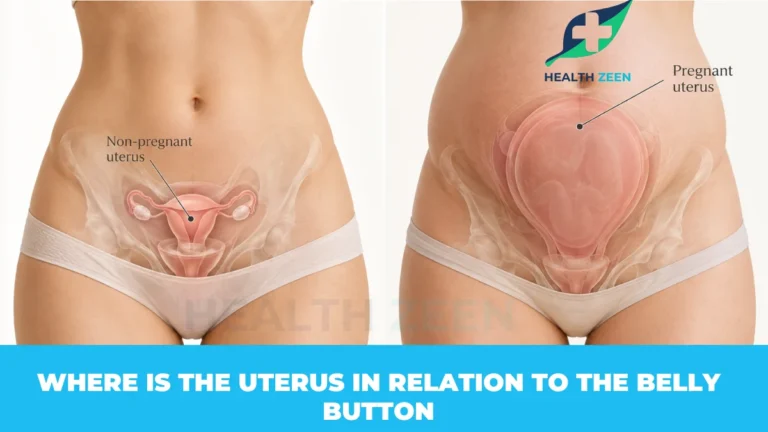
Your left and right abdominal muscles are held together by a thick, vertical band of connective tissue called the linea alba. The belly button sits precisely in the center of this band, resting over a natural structural vulnerability known as the umbilical ring. As your baby grows, the rapidly expanding uterus pushes aggressively against the back of the abdominal wall. This extreme hydrostatic pressure forces the linea alba to stretch dramatically outward and sideways.
Because the belly button is permanently attached to this stretching connective tissue, the deep base of the navel is physically pulled forward. The skin surrounding the umbilicus is stretched to its absolute maximum elastic limit. This combination of internal pressure and extreme skin stretching is the exact mechanism that causes an innie to suddenly invert and pop outward during the late stages of the third trimester.
Immediately after childbirth, the massive internal pressure of the baby and amniotic fluid is gone, but the abdominal connective tissue and surface skin remain severely overstretched.
In a healthy postpartum recovery, the belly button will slowly begin to migrate back inward as the uterus shrinks back to its normal size in the pelvis, a process called involution. Over the next three to six months, your body ramps up collagen synthesis to repair the micro-tears in the abdominal fascia. As the linea alba slowly tightens and regains its structural tension, it pulls the base of the belly button backward, drawing it deeper into the abdomen.
For many women, especially those experiencing their first pregnancy, the belly button will naturally revert to a normal, deep innie within six to twelve months postpartum. However, it is clinically normal for the shape to be slightly different than before. The opening may appear slightly wider, or the skin immediately surrounding the scar may look slightly more wrinkled due to minor, permanent changes in epidermal elasticity.
A major determining factor in whether your belly button goes back to normal is the presence of diastasis recti. This is a very common postpartum condition where the extreme stretching of pregnancy causes the left and right abdominal muscles to permanently separate, severely thinning out the linea alba connective tissue between them.
Because the belly button is anchored exactly at the point of this separation, diastasis recti heavily impacts navel aesthetics. If the abdominal muscles fail to close the gap after childbirth, the central connective tissue remains loose and unsupported. Without the tight, pulling tension of healthy abdominal fascia, the belly button cannot be drawn deeply back into the stomach. Women with severe diastasis recti often find that their belly button remains permanently shallow, unusually wide, or vertically stretched, regardless of how much weight they lose postpartum.
Postpartum Umbilical Hernias vs. Harmless Outies
Sometimes, an outie belly button that refuses to go back in after pregnancy is not just stretched skin; it is a structural failure known as a postpartum umbilical hernia.
During the intense, violent pushing stage of labor, the intra-abdominal pressure spikes to catastrophic levels. If the umbilical ring was already severely weakened by the pregnancy, this sudden pressure can physically tear a hole in the connective tissue behind the navel. A small portion of underlying abdominal fat, or sometimes a loop of the small intestine, is squeezed through this tear, creating a soft, squishy bulge directly inside the belly button.
You can clinically distinguish a harmless stretched outie from an umbilical hernia by touching it. A normal outie is just soft, empty surface skin. An umbilical hernia feels like a distinct physical lump protruding from behind the abdominal wall. If the lump causes sharp, pulling pain when you cough, sneeze, or lift your newborn baby, it is almost certainly a fascial tear. Unlike stretched skin, an umbilical hernia will never naturally heal on its own and requires a minor surgical repair to close the defect.
Severe Skin Laxity and Umbilicoplasty
Even if the internal muscles heal perfectly and there is no hernia present, some women are left with severe skin laxity. During pregnancy, the epidermal fibers surrounding the belly button can be stretched past their biological breaking point, destroying the elastin proteins that allow skin to snap back into place.
When severe skin laxity occurs, the belly button may recede back into the abdomen, but the skin hanging directly over it looks heavily wrinkled, crêpey, or deeply folded. This is known as a hooded belly button. Because destroyed elastin proteins cannot be biologically regenerated by diet or exercise, severe umbilical skin laxity is permanent. For women who experience significant psychological distress over this aesthetic change, the only clinical solution is a minor plastic surgery procedure known as an umbilicoplasty, which removes the excess dead skin and surgically reconstructs a tight, natural-looking umbilical opening.
How to Support Abdominal Healing
While you cannot entirely control how your skin’s elastin fibers react to pregnancy, you can actively support the healing of the underlying connective tissue, which heavily influences the final resting depth of your belly button.
In the early postpartum weeks, strictly avoid any exercises that create massive intra-abdominal pressure, such as traditional sit-ups, heavy weightlifting, or aggressive core planks. These movements forcefully push the abdominal organs outward, violently stressing the healing umbilical ring and worsening diastasis recti. Instead, focus on deep diaphragmatic breathing and gentle transverse abdominis engagements. These specific pelvic floor therapies help gently draw the separated abdominal muscles back together, restoring the internal tension required to pull the belly button back into its natural, recessed position.
Frequently Asked Questions
No, the belly button does not always go completely back to normal. While many women will see their navel naturally retract into a standard innie within six months postpartum, the extreme stretching of pregnancy frequently leaves the opening slightly wider or the surrounding skin permanently looser.
In a standard postpartum recovery, the belly button will slowly begin to retract inward over the first three to six months. This timeline perfectly mirrors the internal healing of the abdominal fascia and the gradual shrinking of the uterus back into the pelvic cavity.
If your belly button is still a pronounced outie a year after childbirth, you likely have a postpartum umbilical hernia or severe diastasis recti. The extreme internal pressure of pregnancy and labor can physically tear the connective tissue behind the navel, causing underlying tissue to permanently protrude.
The dark, vertical line running down through your belly button is called the linea nigra. It is a hyperpigmentation issue caused by the massive surge of melanocyte-stimulating hormones during pregnancy. This dark line is completely harmless and naturally fades away over several months postpartum as hormone levels stabilize.
Exercise cannot fix stretched surface skin or repair destroyed elastin fibers. However, targeted transverse abdominis exercises can heal diastasis recti by pulling the separated abdominal muscles back together. This restores internal fascial tension, which can help draw a shallow belly button slightly deeper into the abdomen.
What does a postpartum umbilical hernia look like?
A postpartum umbilical hernia looks like a distinct, tender bulge protruding directly out of the belly button. Unlike a simple stretched outie, a hernia feels like a squishy, physical mass emerging from behind the muscle wall, and it frequently hurts or bulges further when you cough or strain.
Losing the excess subcutaneous fat gained during pregnancy will absolutely reduce the outward volume of your stomach, helping the belly button appear more normal. However, fat loss cannot tighten stretched skin or repair a torn abdominal muscle, so some permanent aesthetic changes may remain.
The wrinkly, crêpey appearance around the navel is caused by severe skin laxity. During pregnancy, the skin stretches so violently that the structural elastin proteins are permanently snapped. When the stomach deflates after childbirth, the damaged skin lacks the biological ability to snap back tightly.
Wearing a supportive postpartum belly wrap can provide excellent external stability for healing abdominal muscles and may temporarily reduce lower back pain. However, a wrap cannot physically force a torn umbilical hernia to heal, nor can it repair permanently stretched skin.
What is an umbilicoplasty?
An umbilicoplasty is a specialized cosmetic surgical procedure designed to change the appearance of the belly button. Surgeons frequently perform this procedure on postpartum women to remove excess wrinkled skin, repair minor underlying hernias, and reconstruct a tight, deep, aesthetically pleasing innie navel.
Conclusion
The journey of the postpartum belly button is a profound testament to the resilience and biomechanical complexity of the female body. Whether your navel seamlessly retracts to its original pre-pregnancy state or adopts a permanently wider, softer appearance, these changes are deeply rooted in the clinical realities of fascial stretching, collagen synthesis, and abdominal tension. By understanding the distinct physiological differences between harmless skin laxity, the central muscle separation of diastasis recti, and the structural tearing of a postpartum umbilical hernia, you can accurately assess your own healing timeline. While gentle core rehabilitation can significantly restore the internal scaffolding of your abdomen, it is vital to grant yourself patience and grace as your epidermal barrier slowly adapts to its new, post-pregnancy reality.
Disclaimer
This blog is for informational and educational purposes only, and does not intend to substitute any professional medical advice or consultation. For any health related concerns, please consult with your physician, or call 911.